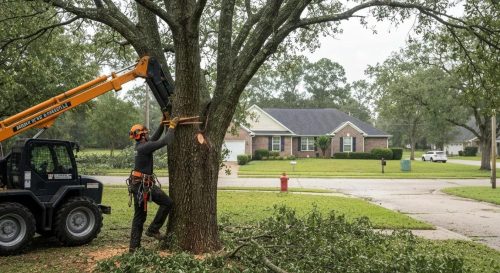
Understanding Tree Removal Costs
When considering tree removal, it's crucial to understand the various factors that contribute to the overall cost. These factors often include the size of the tree, its location, and the complexity of the removal process. Homeowners should be aware that costs can vary significantly based on these elements.
For instance, larger trees typically require more time and specialized equipment for safe removal. Additionally, if the tree is located near power lines or structures, it may necessitate more careful planning and execution, potentially increasing the cost. Homeowners should always seek multiple estimates to ensure they are getting a fair price for the service.
Factors Influencing Tree Service Pricing
Several factors influence the pricing of tree services beyond just removal. These include tree health assessments, trimming, and maintenance services that can prevent costly removals in the future. Understanding these services can help homeowners make informed decisions about their tree care needs.
For example, regular tree trimming can enhance the health and appearance of trees, potentially reducing the need for more extensive services later on. Homeowners should consider investing in preventive care to maintain their trees and avoid unexpected costs down the line.
Choosing the Right Tree Service Provider
Selecting a reputable tree service provider is essential for ensuring quality work and safety. Homeowners should look for companies with proper certifications, insurance, and positive customer reviews. These factors can provide peace of mind and assurance that the job will be done correctly.
Additionally, it's beneficial to ask for references and check their previous work. A reliable provider will be transparent about their process and costs, helping homeowners feel confident in their choice. By taking the time to research and compare options, homeowners can find a service that meets their needs and budget.
Post-Removal Tree Care and Maintenance
After a tree has been removed, proper care and maintenance of the surrounding area are vital. This may include filling in the stump hole, replanting grass, or even planting a new tree. Understanding these steps can help homeowners restore their landscape effectively.
Moreover, post-removal care can prevent issues such as soil erosion or pest infestations. Homeowners should consider consulting with their tree service provider about the best practices for maintaining the area after a tree removal, ensuring a healthy environment for future plant life.